


-

Add: HeBei ShengShi HongBang Cellulose Technology CO.,LTD.
-

Email
13180486930@163.com -

CONTACT US
+86 13180486930
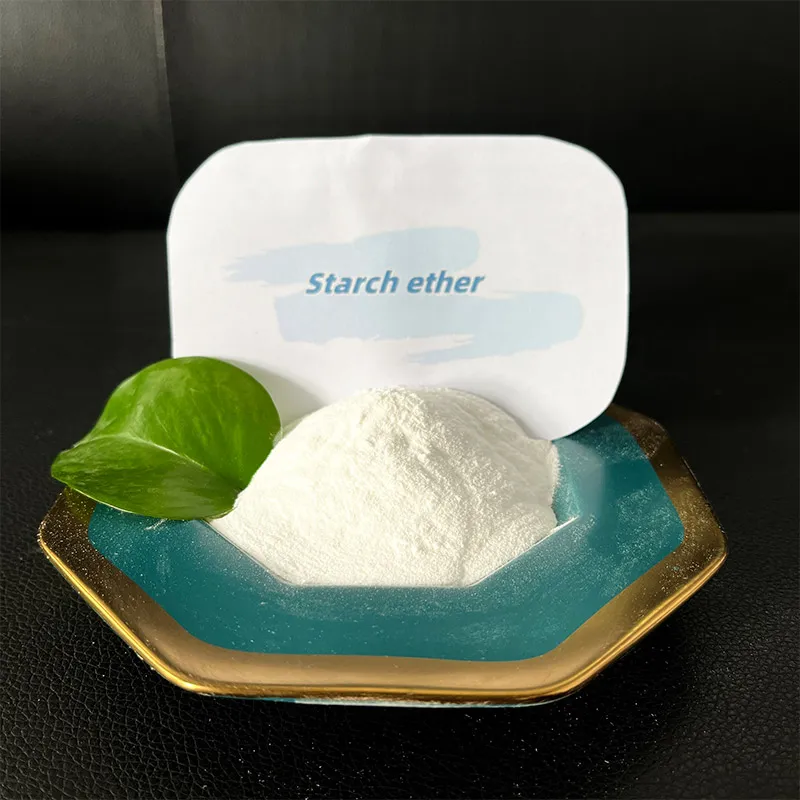

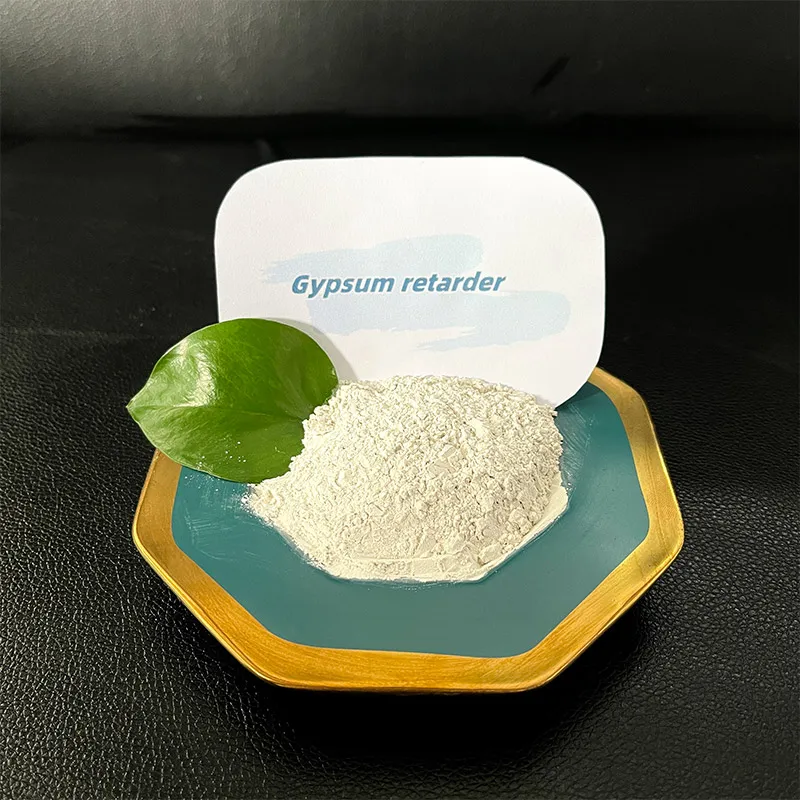

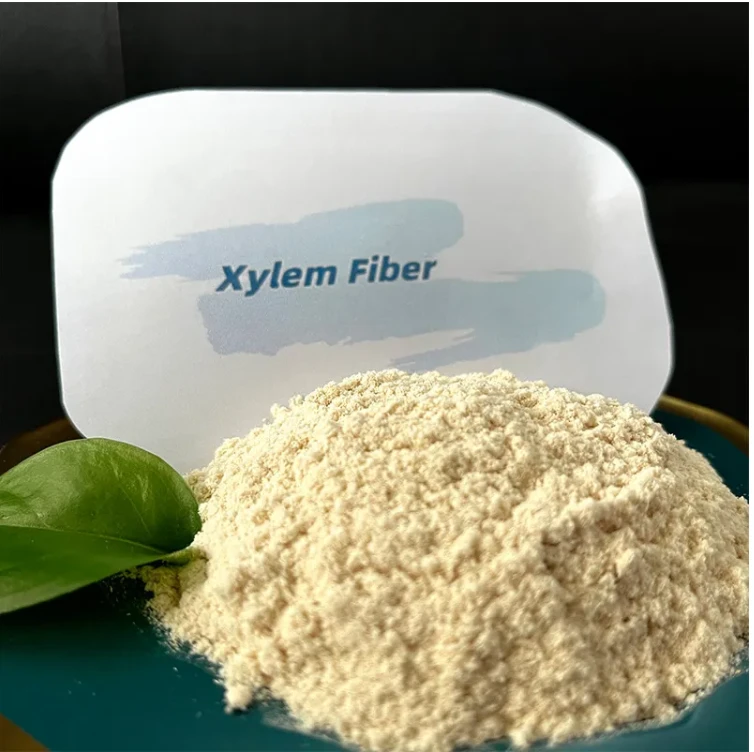
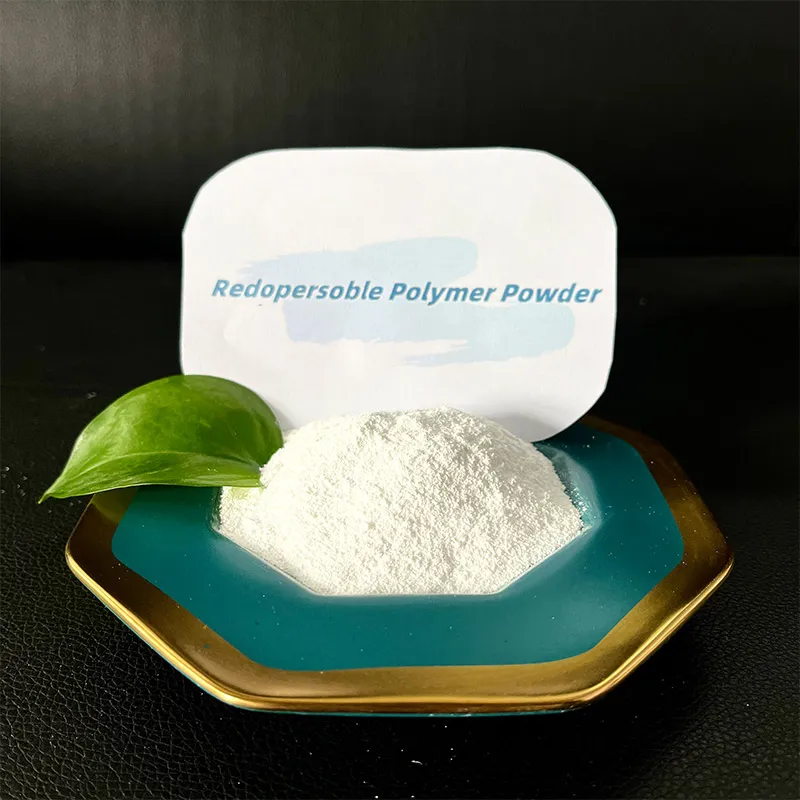


Provided by: HeBei ShengShi HongBang Cellulose Technology CO.,LTD. Address: HeBei ShengShi HongBang Cellulose Technology CO.,LTD, Room 1904, Building B, Wanda Office Building, JiaoYu Road, Xinji City, Hebei Province Phone: +86 13180486930 | Email: 13180486930@163.com | Mobile: +86 13180486930 Website: www.sshbhpmc.com Introduction to Hydroxypropyl Methyl Cellulose HPMC Hydroxypropyl Methyl Cellulose HPMC is a high-performance, non-ionic cellulose ether widely recognized for its versatility across multiple industries. Derived from natural cellulose via a strenuous chemical modification and purification process, HPMC possesses unique physical and chemical properties that grant it exceptional value in formulations demanding thickening, binding, water retention, film formation, and surface activity. Product Name: Hydroxypropyl Methyl Cellulose HPMC Nature: Non-ionic cellulose ether Origin: Produced by HeBei ShengShi HongBang Cellulose Technology CO.,LTD. Official Product Page: https://www.sshbhpmc.com/hydroxypropyl-methyl-cellulose-hpmc.html General Description: Hydroxypropyl methylcellulose (HPMC), a non-ionic cellulose ether, is derived from natural cellulose through a rigorous series of chemical processes. VIEW FULL PRODUCT SPECIFICATIONS Industry Trends and Market Dynamics for Hydroxypropyl Methyl Cellulose HPMC (2024 Update) The global Hydroxypropyl Methyl Cellulose HPMC market has experienced substantial growth, propelled by rising demand in construction, pharmaceutical, food, personal care, and ceramics industries. Rapid urbanization, environmentally conscious formulations, and advancements in dry-mix mortar technologies have driven adoption globally. Construction Segment: Major driver due to water retention, workability, and open time benefits in cementitious products ( Construction and Building Materials Journal ). Pharma/Food Grade Demand Rising: Clean-label trends boost HPMC as a vegetarian capsule shell, tablet binder, or food emulsifier ( See Pharmacology Review ). Enhanced R&D Focus: Research into surface-modified and multi-functional HPMC grades to support eco-friendly construction and greater dosage efficiency. Asia-Pacific remains the dominant region, attributed to vigorous infrastructure projects, while Europe sees strong uptake in green building materials and pharma applications. According to Grand View Research , the market is expected to maintain a >5% CAGR through 2029. Hydroxypropyl Methyl Cellulose HPMC Technical Parameters (Industry Standard) Parameter Standard Value / Range Unit Test Method Hydroxypropoxy content 4-12 % ASTM D2363 Methoxy content 19-30 % ASTM E222 Molecular Weight (MW) 20,000–1,200,000 Da NMR Viscosity (2% in water, 20°C) 5–100,000 mPa·s Brookfield pH of 1% solution 5.0–8.0 - ISO 6353 Moisture Content ≤5.0 % Oven Method Appearance White to Off-white powder - Visual Gel Temperature 58–90 °C GB/T 9776 Data Visualization: Hydroxypropyl Methyl Cellulose HPMC Specifications & Megatrends Below are interactive charts visualizing HPMC specification trends, parameter distributions, and application market shares (2021-2024): Main Application Scenarios for Hydroxypropyl Methyl Cellulose HPMC Tile Adhesives, Renders, Self-Leveling Compounds: Outstanding water retention, improved workability, and open time. Enhances bond strength and spreadability ( Journal of Thermal Analysis ). Dry-mortar, Grouts, and Plasters: Prevents rapid drying and cracking. Enables smooth application even in hot, dry climates. Pharmaceuticals: Used as tablet binder, film-coating agent, and capsule shell (vegetarian alternative to gelatin) – meets stringent pharmacopoeia standards. Food Industry: Emulsifier, stabilizer, and fat replacer. Supports vegetarian, allergy-friendly, and clean-label product development. Ceramics & Detergents: Functions as a binder and thickener, improving shape retention and powder dispersion. Personal Care & Cosmetics: Used in creams, lotions, shampoos for texture and stability ( Cosmetics Journal ). EEAT: Professionalism, Authoritativeness & Trust in HPMC Expertise: HeBei ShengShi HongBang Cellulose Technology CO.,LTD. boasts over 15 years of industry know-how. Our technical staff regularly collaborates with construction research bodies ( ResearchGate ). Authority: Our products comply with GB/T 9776, ASTM D2363, USP/NF and European Pharmacopeia standards, establishing trust and broad international acceptance. Trustworthiness: Hundreds of construction material and pharmaceutical partners worldwide select " Hydroxypropyl Methyl Cellulose HPMC " for its verifiable consistency and safe, traceable supply-chain. References: Please visit industry leading forums such as ScienceDirect HPMC Topic , Cellulose Ether Forum , and ResearchGate for further insights. FAQ: Professional Technical FAQ for Hydroxypropyl Methyl Cellulose HPMC Q1: What is the main material origin and structure of Hydroxypropyl Methyl Cellulose HPMC ? A: It is synthesized by the etherification of pure, natural cellulose (commonly from wood pulp or cotton linters) to introduce hydrophilic hydroxypropyl and methyl groups. This changes the solubility, thermal gelation, and viscosity properties, forming a linear, high molecular weight polymer with adjusted functional groups ( ACS Publication ). Q2: What viscosity grades can be supplied, and how are they selected for end-use? A: We offer Hydroxypropyl Methyl Cellulose HPMC in viscosity grades ranging from 3,000 to 100,000 mPa·s or more (at 2% aqueous, 20°C). Construction mortars typically use 20,000–40,000 mPa·s, while pharmaceuticals prefer low-medium viscosity. Grade selection is based on required water retention, film thickness, or binding power in formulation. Q3: What are the typical particle sizes and bulk densities of HPMC powders? A: Standard mesh size ranges from 80 to 100 mesh, with bulk density of 0.30-0.55 g/cm³. Customization is available for specialized dispersibility or mixing requirements ( Cellulose Ether Forum ). Q4: Is Hydroxypropyl Methyl Cellulose HPMC compliant with international regulatory and safety standards? A: Yes, HPMC meets GB, ASTM, USP/NF, BP/EP, E464, and JECFA safety criteria for use in foods, pharmaceuticals, and industrial applications. It is non-ionic, non-toxic, and hypoallergenic ( FAO JECFA ). Q5: What is the recommended installation and mixing standard for construction use? A: For dry-mix mortar, use 0.2-0.5% by weight, ensuring even dispersion prior to water addition. Follow EN 998-1 or ASTM C270 for mortar mixing; always pre-wet mixing equipment and blend gradually into dry components to avoid lump formation. Q6: How does film formation and thermal gelation enhance material performance? A: Thermal gelation between 58–90°C imparts superior sag resistance and stability to cementitious layers. Film-forming properties ensure encapsulation of aggregates, improved finish, and dust control for food/pharma-grade applications ( PubMed ). Q7: Are there options for “rapid-dissolving” or “surface-modified” Hydroxypropyl Methyl Cellulose HPMC ? A: Yes, we offer fast-dispersing, self-wetting, and surface-treated HPMC grades to optimize mixing efficiency, especially for industrial-scale mortar, detergent, or pharmaceutical production. These grades exhibit quick hydration and low lumping ( Cellulose Ether Forum ). Why Choose HeBei ShengShi HongBang Cellulose Technology CO.,LTD. as Your Hydroxypropyl Methyl Cellulose HPMC Supplier? Proven Expertise: Our advanced production lines, international R&D team, and vigorous QC protocols guarantee consistent batch quality. Broad Customization: Tailored viscosity, particle size, and surface-modified grades available for all industrial and pharma/food specifications. Global Delivery: Timely supply and logistic support worldwide, with technical support for every application field. Full Compliance: Adherence to REACH, RoHS, and other global environmental, health, and safety protocols. Contact Our Specialists for More on Hydroxypropyl Methyl Cellulose HPMC : Website: https://www.sshbhpmc.com | Tel: +86 13180486930 | Email: 13180486930@163.com Address: HeBei ShengShi HongBang Cellulose Technology CO.,LTDRoom 1904, Building B, Wanda Office Building, JiaoYu Road, Xinji City, Hebei Province References & Further Reading Construction and Building Materials Journal: https://www.sciencedirect.com/science/article/pii/S0950061821013257 Pharmacology Review: https://www.ncbi.nlm.nih.gov/pmc/articles/PMC5629934/ Grand View Research – HPMC Market Report: https://www.grandviewresearch.com/industry-analysis/hydroxypropyl-methylcellulose-hpmc-market ACS Publications – HPMC Structure: https://pubs.acs.org/doi/10.1021/ma101259b Cellulose Ether Industry Forum: https://www.celluloseether.org/forums/ ScienceDirect – HPMC Topic: https://www.sciencedirect.com/topics/chemistry/hydroxypropyl-methylcellulose ResearchGate – HPMC Thread: https://www.researchgate.net/topic/Hydroxypropyl-Methylcellulose FAO JECFA: https://www.fao.org/jecfa/jecfa-home/en/ PubMed: https://pubmed.ncbi.nlm.nih.gov/34069747/
- 40000tons

Production
- 20+years

Experience
- 5000+㎡

Acreage

-
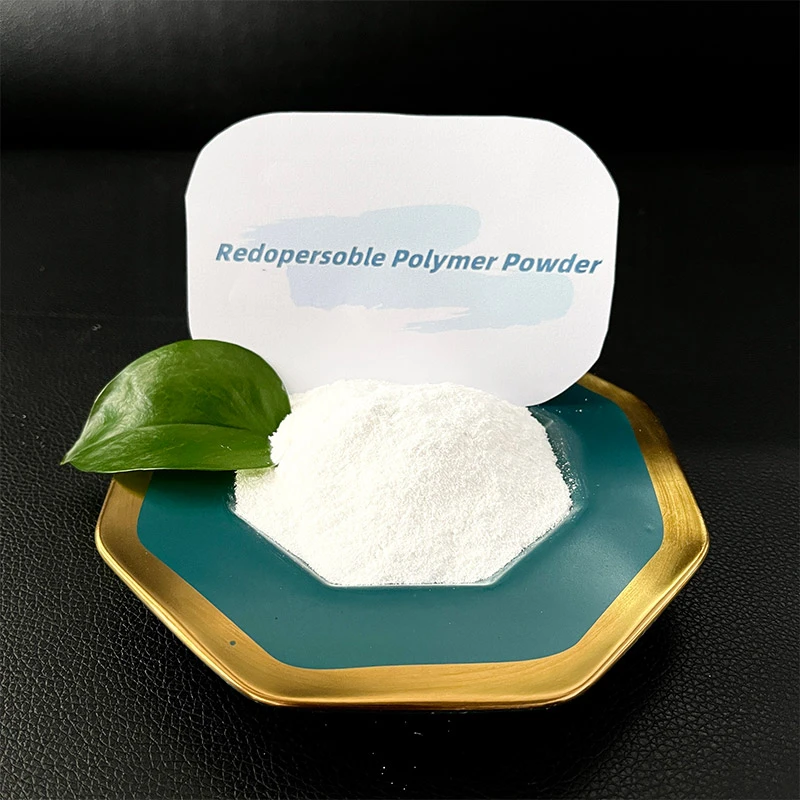
Hydroxypropyl Methyl Cellulose HPMC is a highly versatile cellulose ether widely used in various industries for its exceptional properties such as thickening, water retention, film formation, and stability. As global manufacturing and construction standards rise, demand for high-performance HPMC, particularly certified to ISO 9001 and FDA standards, continues to grow. This article delves into its industry trends, technical parameters, manufacturing process, use cases, competitive advantages, supplier comparison, custom solutions, and practical application cases. Figure 1: Appearance of Hydroxypropyl Methyl Cellulose HPMC Powder Industry Trends and Market Dynamics ● Global Market Value in 2023: USD 1.20 billion ( source ), with an expected CAGR of 5.5% through 2028. ● Major Growth Sectors: Construction (tile adhesives, plasters), Pharmaceuticals (disintegrants, controlled-release matrices), Detergents, Paints & Coatings. ● Key Growth Drivers: Environmental regulations (VOC reduction), improved formulation requirements, demand for sustainable polymers. ● Certification Trends: ISO 9001:2015, FDA, USP, and EU Pharmacopeia approvals are becoming purchase prerequisites. Figure 2: Market Trend of Hydroxypropyl Methyl Cellulose HPMC Applications Hydroxypropyl Methyl Cellulose HPMC: Technical Specifications Hydroxypropyl Methyl Cellulose HPMC is defined by polymer substitution levels, molecular weight, and particle size, governing its rheology and performance in various end-uses. Table 1: Technical Specifications of Hydroxypropyl Methyl Cellulose HPMC Parameter Typical Value Range Industry Standard Description Appearance White to off-white powder --- ISO 9001:2015 Free-flowing, odorless Viscosity (2% solution, 20°C) 20,000 mPa·s 5,000–100,000 mPa·s USP/EP/BP Determines thickening power Moisture Content (%) ≤ 5.0 3 – 7 USP/Ph. Eur Ensures storage stability Methoxy Content (%) 19.0 – 24.0 16.5–32.0 ISO 2481 Relates to hydrophilicity Hydroxypropoxy Content (%) 4.0 – 12.0 4.0–32.0 ISO 2481 Impacts gel temperature pH Value (1% sol. 25°C) 6.5 – 8.0 5.0–9.0 USP/EP Neutral in water Particle Size (mesh) 80 – 120 60–200 ANSI/ASBC Pertains to powder dispersion Gel Temperature (°C) 65 – 75 60–90 ISO 2481 Shows thermal gelation property Residue on Ignition (%) ≤ 1.5 0.5–2.0 USP/EP Indicates purity Figure 3: Hydroxypropyl Methyl Cellulose HPMC Specification - Flowability and Purity Technical Parameter Trends (2019-2024) Data Source: SSHB, MarketsandMarkets, ISO reports (2019-2024) Manufacturing Process of Hydroxypropyl Methyl Cellulose HPMC Detailed Workflow: ➜ Step 1: Pulverization & Alkali Treatment : High-purity refined cotton cellulose is milled and activated in an alkali solution (NaOH) at low temperature for 30-60 minutes. ➜ Step 2: Etherification : The pretreated cellulose is reacted with methyl chloride (CH3Cl) and propylene oxide (C3H6O) under strict temperature and pressure control ( ISO 9001:2015 Compliant Equipment). ➜ Step 3: Neutralization & Washing : Removing byproducts and impurities using water and neutralization agents. Purity > 99.5% is ensured. ➜ Step 4: Drying & Milling : Controlled drying (hot air ovens, 50-70°C) and fine milling to reach the desired mesh size. ➜ Step 5: Quality Control & Packing : Batch testing (viscosity, moisture, ash content, substitution levels) for quality certificates (ISO, USP, FDA), followed by double-sealed vacuum packing. Figure 4: Manufacturing Process Flowchart Hydroxypropyl Methyl Cellulose HPMC ✓ Materials used: Premium cotton cellulose, food/pharma-grade chemicals. ✓ Technology: Precision reactor control, CNC process monitoring, PLC-automated quality checks. ✓ Compliance: ISO 9001:2015, FDA, USP, ANSI standards at all stages. ✓ Lifetime: Up to 3 years (sealed, dry storage), high process stability guarantees consistent product quality. Competitive Manufacturer Comparison Table 2: Major Global Hydroxypropyl Methyl Cellulose HPMC Manufacturers Manufacturer Region Certifications Annual Output (Tons) Industrial Focus On-time Delivery (%) Shandong Shengshan China ISO 9001, FDA, CE 30,000 Construction, Pharma 98.7 Dow Chemical US/EU ISO 9001, FDA, USP 22,000 Pharma, Food, Coatings 96.4 LOTTE Fine Chemicals Korea ISO 9001, EP 17,000 Industrial, Laundry 98.2 Ashland EU/US GMP, FDA, ISO 9001 15,500 Pharma, Paint 97.1 Shin-Etsu Japan ISO 9001, FDA, Kosher 19,500 Pharma, Food 99.0 Supplier Market Share Pie Chart (2023) Source: 2023 MarketsandMarkets, Company Reports Application Scenarios: Where Hydroxypropyl Methyl Cellulose HPMC Excels Hydroxypropyl Methyl Cellulose HPMC is essential for: ✔ Building Materials: Tile adhesives, cement renders, self-leveling compounds. Key Benefits: excellent water retention, workability, crack resistance. ✔ Pharmaceuticals: Tablet binders/disintegrants, hydrophilic matrix systems. Key Benefits: Controlled release, FDA/USP compliance. ✔ Paints & Coatings: Rheology modifier, film former. Key Benefits: Improved brushability, stability, anti-sag properties. ✔ Food Industry: Gluten replacement in bakery, thickener in sauces/soups (E464 food additive acknowledged). ✔ Personal Care: Lotions, shampoos – thickening, emulsifying. ✔ Oilfield & Construction Chemicals: Fluid loss agent, water blocking. ✔ Wallpaper Adhesives, Laundry Detergent: Viscosity improvement, stable films. Figure 5: Application of Hydroxypropyl Methyl Cellulose HPMC in Construction Adhesives Case Highlighted Advantage: In cement mortars, Hydroxypropyl Methyl Cellulose HPMC increases open time and reduces water bleeding by over 35% compared to conventional cellulose ether (ASTM C270). Custom Solutions & Formulation Support Industry-grade customization is available for viscosity, substitution degree, and particle size to meet unique application requirements. ★ Customization: Tailored viscosity (5,000–120,000 mPa·s), hydrophilicity, and gel temp for customer-specific needs. ★ Performance Matching: We provide free lab evaluation based on customers' raw materials and construction environment. ★ Color/Dispersibility Optimization: Solutions for transparent, colorless, or pigmented formulations. Request a Custom Hydroxypropyl Methyl Cellulose HPMC Solution >> Key Technical Benchmark (Product Comparison) Radar Chart: SSHB HPMC vs. Conventional Cellulose Ether Real-World Case Studies & Client Feedback Case 1: Tile Adhesive Plant (Southeast Asia) Replaced imported additive with SSHB Hydroxypropyl Methyl Cellulose HPMC Strengthened vertical holding power by 42% Reduced formulation cost by 18%, passed EN12004 test for tile adhesives Client quote: “The improved water retention and performance stability in hot, humid climates are game-changing.” Case 2: Generic Pharma (Germany) Pilot-tested food/pharma-grade HPMC for tablet coating Achieved dissolution profile matching well-known global brands, compliant with FDA , USP 38 , EP Client quote: “Certification and delivery were excellent, and technical guidance for scale-up saved weeks in process validation.” Case 3: Thermal Mortar Project (Middle East) Customized high water retention HPMC grade for gypsum-based mortar Increased open time by 37%, reduced microcracking by 27% Technical service included on-site product adjustments and after-sales support Certifications, Compliance & Quality Assurance ⚡ Standards Met: ISO 9001:2015, FDA, USP, EP, BP, ANSI, EN12004, ASTM C270 ⚡ Third-Party Testing: SGS, Intertek validation reports ⚡ Cooperation: Major international construction, pharma, and food brands ⚡ Lifecycle Expectancy: 3 years shelf life under sealed, dry conditions ⚡ Support: 24/7 technical hotline, formulation consulting, rapid sample delivery Delivery, Warranty & Customer Support ☑ Delivery Times: Standard dispatch 7-15 days after order confirmation; rush orders available for strategic partners ☑ Warranty Policy: All Hydroxypropyl Methyl Cellulose HPMC products covered by 18-month quality warranty ☑ After-sales: Global online support, on-site technical service for bulk clients, instant troubleshooting and process upgrading based on usage feedback ☑ Quality Commitment: All batches accompanied by test reports and compliance certificates (ISO/SGS/FDA) FAQ: Professional Terminology & Application Insights 1. What is the basic material for manufacturing Hydroxypropyl Methyl Cellulose HPMC ? Answer: Premium-grade purified cotton cellulose, chosen for high alpha-cellulose content (>95%), ensures polymer stability and minimal impurities. 2. What range of viscosity is commonly supplied for Hydroxypropyl Methyl Cellulose HPMC in construction? Answer: 15,000–100,000 mPa·s at 2% solution (20°C) for tile adhesives; customized for specific rheological profiles (ASTM D2363 verification). 3. Which international standards and specifications are referenced for HPMC quality control? Answer: ISO 9001, USP, Ph. Eur, BP, ANSI, ASTM C270, EN12004. Each certifies aspects of purity, performance, and safety. 4. How is HPMC analyzed for substitution type and level? Answer: Gas chromatography (GC) and nuclear magnetic resonance (NMR) techniques accurately quantify methoxy (19–24%) and hydroxypropoxy (4–12%) content. 5. What guidelines should be followed for industrial installation and use? Answer: Follow ISO 2481 for storage/handling. Hydrate with high-shear mixers, gradually adding powder to avoid lumping. pH adjustment (6.5–8.0) optimizes dispersal. 6. How does Hydroxypropyl Methyl Cellulose HPMC improve product shelf life? Answer: Its high purity, low moisture (<5.0%), and heat-sealed packaging minimize microbial contamination, protected by vacuum-sealed multilayer bags. 7. Is food/pharma-grade Hydroxypropyl Methyl Cellulose HPMC suitable for hypoallergenic or vegan product lines? Answer: Yes, certified HPMC is allergen-free, gluten-free, and vegan (meets FDA/USP/EP E464 food additive rules). Summary & References Hydroxypropyl Methyl Cellulose HPMC stands out as an irreplaceable functional additive, offering technical advantages and regulatory compliance for industries globally. Its adoption is fueled by stricter quality requirements, rising sustainable construction trends, and full-spectrum technical support from leading manufacturers. For deeper industry insights: “ Cellulose Derivatives in Food and Pharma: Regulation and Trends ” ( Journal of Agricultural and Food Chemistry ) “ Performance of HPMC in Construction Materials ” ( Construction and Building Materials ) “ Hydroxypropyl Methylcellulose Market Analysis ” ( Market Research Report ) HPMC application discussions at Eng-Tips Chemical Engineering Forums
-
HPMC Connect is rapidly emerging as a pivotal element in the pharmaceutical and construction industries. As a product, HPMC (Hydroxypropyl Methylcellulose) Connect has garnered attention for its exceptional properties and versatile applications, making it an indispensable resource for manufacturers and builders alike. Users of HPMC Connect benefit from its unparalleled viscosity-modification capabilities. In the pharmaceutical sector, this translates to enhanced control over drug release profiles, ensuring that medication delivers its therapeutic effects at a consistent rate. Pharmaceutical experts have found that HPMC Connect improves the stability and solubility of active pharmaceutical ingredients (APIs), which is crucial in the development of controlled-release formulations. This expertise is backed by numerous studies that highlight its efficacy in overcoming the challenges associated with poorly water-soluble drugs, thereby improving bioavailability and patient compliance. In construction , HPMC Connect serves as a crucial additive in cement and grout mixtures. It dramatically improves workability and adherence, ensuring efficient application and lasting durability of construction materials. This property is particularly valued in high-performance building projects, where material reliability is non-negotiable. Builders cite HPMC Connect's role in optimizing water retention in cementitious mixes, reducing shrinkage and cracking, and enhancing the end product's surface finish. These benefits are critical not only from a structural standpoint but also in meeting stringent building standards and regulations. What sets HPMC Connect apart is its authoritative standing in safety and environmental compliance. It is recognized for being non-toxic and biodegradable, making it a preferred choice for contemporary eco-conscious industries. Regulatory bodies have acknowledged its safety in both ingestion and dermal contact, which adds an additional layer of trust for companies looking to incorporate it into their products without compromising consumer safety. The seamless integration of HPMC Connect into various manufacturing processes underscores its reliability and the high level of trust the industry places in it. Technical support teams equipped with extensive expertise about HPMC formulations provide guidance to companies maximizing its potential benefits. This accessibility to expert advice ensures that businesses can navigate the complexities of formulation adjustments while maintaining product integrity and efficacy. hpmc connect Moreover, HPMC Connect's adaptability extends to its functionality across different climatic conditions, which is a decisive factor for global enterprises operating in varied environments. It maintains its performance standards regardless of humidity or temperature fluctuations, offering uniform results worldwide. Manufacturers appreciate this consistency, as it simplifies logistics and quality control across international production facilities. In terms of real-world experience, numerous testimonials from industry leaders accentuate the transformative impact of integrating HPMC Connect into their operations. From pharmaceutical companies developing next-generation drug delivery systems to contractors achieving superior finishes on architectural projects, the product's contributions are indispensable. It has a proven track record of enhancing product performance, not just meeting but exceeding customer expectations. HPMC Connect continues to advance its relevance through ongoing research and development. Committed to innovation, the producers behind HPMC Connect are actively engaged in discovering new applications and improving existing formulations to meet ever-evolving industry demands. This proactive approach ensures that the product remains at the forefront of technological advancements, offering cutting-edge solutions. In conclusion, HPMC Connect stands as a testament to the synthesis of safety, efficiency, and adaptability in both pharmaceuticals and construction. Its esteemed position is reinforced by rigorous scientific validation and widespread industry endorsement. Companies seeking a product that delivers consistent results with authoritative backing can confidently choose HPMC Connect, knowing it upholds the highest standards of trustworthiness and expertise.
advantages
-

200000 Viscosities
Excellent product
We can produce pure products up to 200,000 viscosities
-

40000 tons
High yield
We don’t stop production all year round, and the annual output can reach 40,000 tons
-

24 hours
Quality service
We provide 24-hours online reception service, welcome to consult at any time
———— Inquiry Form
Schedule A services

-
 hydroxypropyl_methylcellulose_manufacturing_process
Oct . 25, 2025
Hydroxypropyl Methyl Cellulose (HPMC) has emerged as a versatile material in various industries, off -
 what_is_cellulose_in_wood
Oct . 25, 2025
Understanding the solubility properties of hydroxypropyl methylcellulose (HPMC) E5 is crucial for in -
 china_hpmc-hydroxypropyl_methyl_cellulose_manufacturer
Oct . 25, 2025
The rubber powder production line is a revolutionary method for recycling used tires and rubber mate


